
Introduction
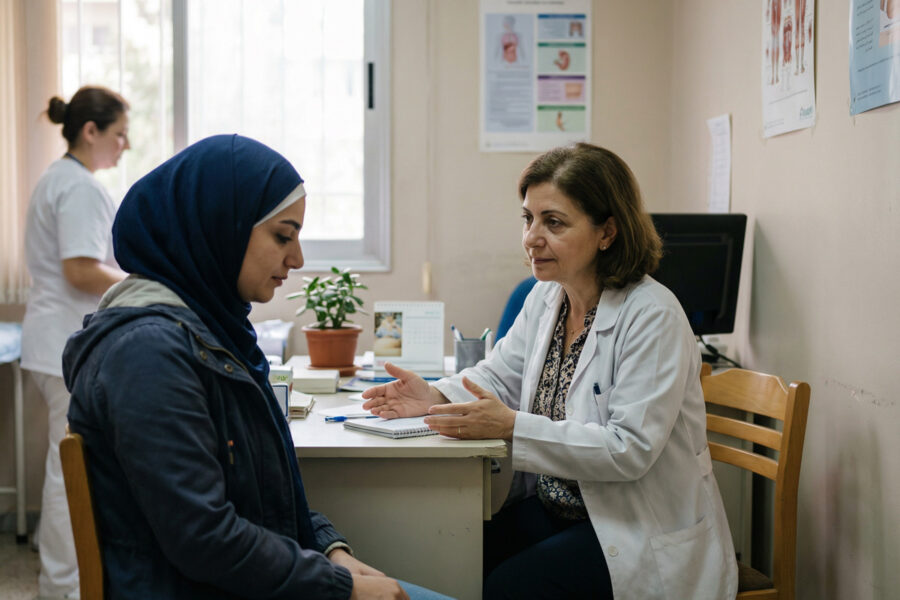
Sexual and gender-based violence is one of the most underreported and underidentified issues in healthcare. Survivors frequently present to clinical settings — not always with visible injuries, and not always ready to disclose. The way a healthcare professional responds in that moment can either open a door or close it permanently.
Evidence consistently shows that trained healthcare professionals play a critical role in the identification, first response, and referral of SGBV survivors. Yet in many clinical settings, routine screening is absent, providers feel underprepared, and survivors leave without being identified or supported.
The Prevalence of SGBV — Why Routine Screening Is Essential
SGBV is not a rare presentation in healthcare. Globally, approximately one in three women experience physical or sexual violence in their lifetime — most commonly at the hands of an intimate partner (WHO, 2013). In humanitarian and crisis settings, rates are significantly higher.
In Lebanon specifically, the scale of the problem is well-documented. The GBV Management Information System Annual Report for 2023 found that 95% of reported GBV cases in Lebanon involved women, and 52% of all reported cases were perpetrated by intimate partners. These figures represent only reported cases — the actual prevalence is understood to be significantly higher given the well-documented barriers to disclosure.
Why Survivors Often Don’t Disclose
Understanding why survivors do not disclose is foundational to effective SGBV screening. Barriers include:
- Cultural stigma — fear of shame, blame, or social exclusion • Fear of the perpetrator — especially in cases of intimate partner violence • Distrust of systems — past negative experiences with authorities or healthcare • Lack of awareness — not recognizing the experience as violence or knowing that help is available • Healthcare environment — lack of privacy, rushed encounters, or perceived judgmental responses
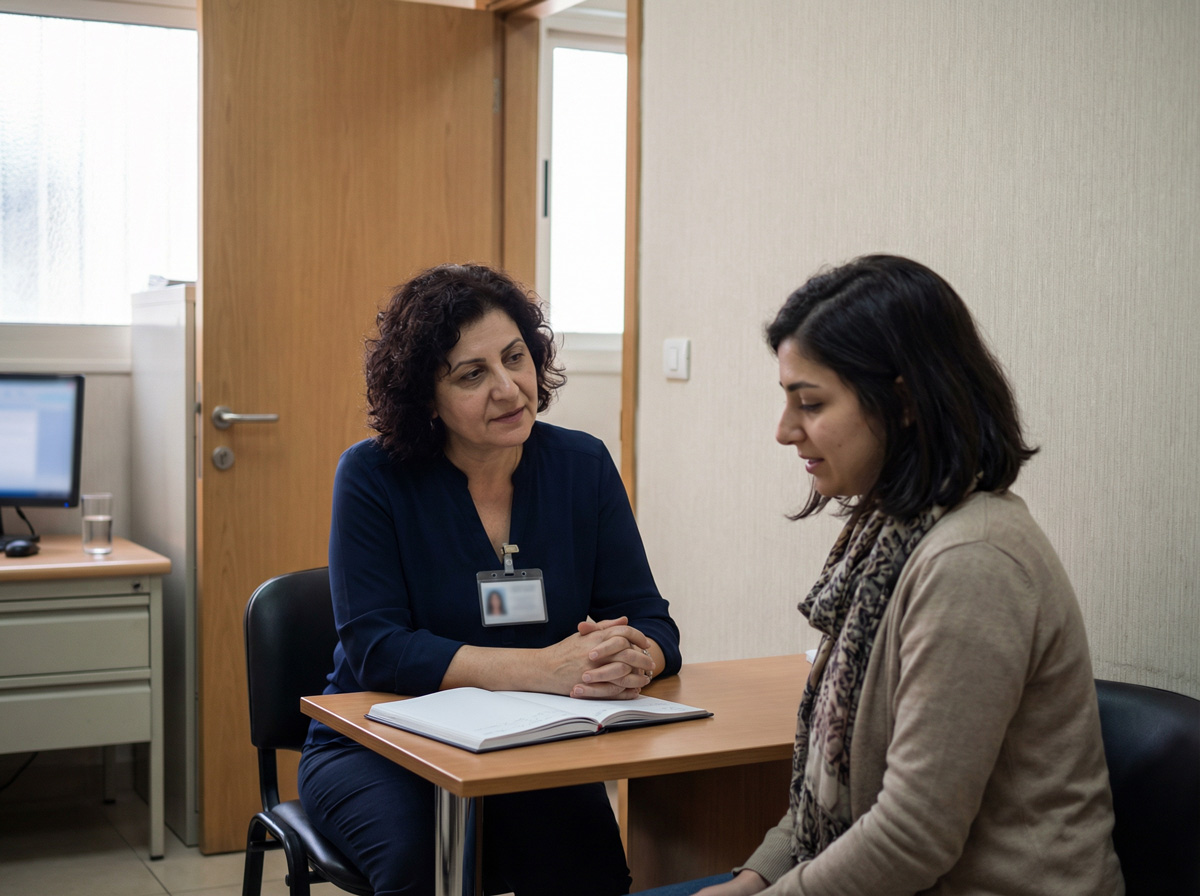
Many survivors will not disclose unless directly, safely, and compassionately asked. This is why trained, routine screening matters — not as an interrogation, but as an invitation.
Key Principles of Ethical, Safe Screening
The WHO’s clinical guidelines for responding to intimate partner violence and sexual violence provide clear direction on ethical screening (WHO, 2013):
- Privacy is non-negotiable — screening should never happen in front of partners, family members, or other patients • Use direct, clear language — vague or euphemistic questions reduce disclosure • Respond without judgment — a non-reactive, empathetic response increases the likelihood of disclosure and return • Inform before asking — explain why you are asking and how information will be handled • Respect patient agency — the patient’s right to decide whether to disclose and what to do next must always be upheld • Never pressure or rush — a survivor who is not ready to disclose today may be ready tomorrow; how they are treated now determines whether they return
Documentation and Referral Pathways
Safe documentation is a clinical and ethical responsibility. Inadequate or inaccurate documentation can have serious legal consequences for survivors — and improper disclosure can put them at further risk. Key principles include:
- Documenting in clear, factual, non-judgmental language • Storing records securely and with strict confidentiality • Understanding the local legal framework — particularly mandatory reporting obligations in Lebanon • Knowing your referral network — social workers, legal aid, shelters, psychological support services
In Lebanon, referral pathways are available through national organizations including KAFA, ABAAD, and the Ministry of Social Affairs — though access has been significantly strained by the ongoing crisis.
The Provider’s Role — Beyond the Clinical Encounter
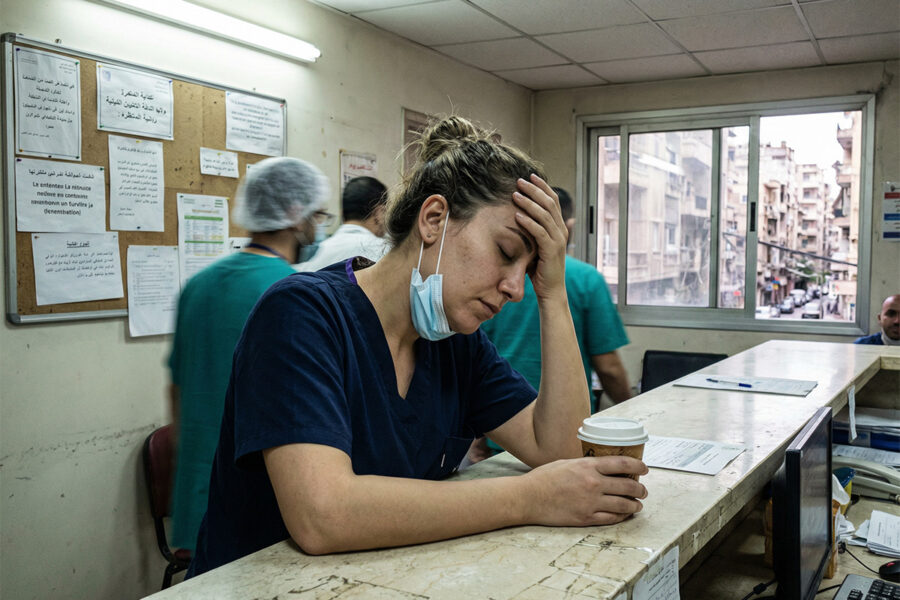
SGBV screening is not a single clinical act. It is part of a broader professional responsibility to recognize violence as a public health issue and to engage with it consistently, safely, and compassionately. Healthcare providers who are trained in SGBV response are not only better equipped to support survivors — they are also better protected professionally, with clear frameworks for documentation, referral, and self-care after difficult encounters.
Conclusion
Every clinical encounter with an SGBV survivor is an opportunity — to be seen, to be believed, and to be supported. Whether or not that opportunity is taken depends, in large part, on whether the healthcare professional in that room has been trained to recognize it.
Blossomind Center’s SGBV Assessment and Response Workshop provides healthcare professionals with evidence-based tools for safe and effective SGBV screening, first response, and referral. [Register Now →]
References
Inter-Agency Standing Committee. (2015). Guidelines for integrating gender-based violence interventions in humanitarian action: Reducing risk, promoting resilience and aiding recovery. IASC. Retrieved from https://gbvguidelines.org
Raftery, P., Usta, J., Kiss, L., Palmer, J., & Hossain, M. (2023). Gender based violence (GBV) coordination in a complex, multi-crisis context: A qualitative case study of Lebanon’s compounded crises (2019–2023). Conflict and Health, 17(1), 50. https://doi.org/10.1186/s13031-023-00543-8
UN Women Lebanon. (2023). GBV Management Information System Annual Report. ReliefWeb. Retrieved from reliefweb.int
World Health Organization. (2013). Responding to intimate partner violence and sexual violence against women: WHO clinical and policy guidelines. WHO Press. Retrieved from https://www.who.int/publications/i/item/9789241548595